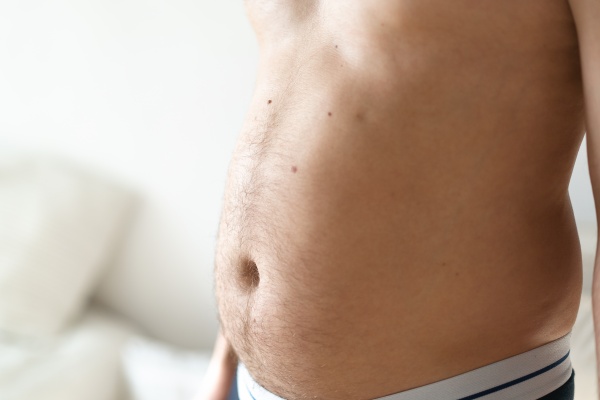
Visceral fat is also known as ‘hidden’ fat. It is fat stored deep into the belly, wrapping around the organs including the liver and intestines. It makes up one tenth of the fat store. Most fat is stored underneath the skin and is called subcutaneous fat. This fat you can feel and see, the rest of the fat in the body is hidden.
Visceral fat makes the stomach stick out. It produces chemicals and hormones that can be toxic to the body such as leptin and cytokines. This makes it more dangerous than subcutaneous fat. Even if you have a thin body shape you can still have visceral fat. It is more common in men than women.


What are the causes of Visceral Fat?
Fat is stored when you consume too many calories and have too little physical activity. For women growing older can change where the body stores fat. After menopause women’s muscle mass gets less and their fat increases. In men drinking alcohol can also lead to more belly fat.
The health risks associated with Visceral Fat
The presence of visceral fat is a sign of metabolic syndrome. It is also known as syndrome x or insulin resistance syndrome. Risk factors include:
- High blood pressure
- Excessive abdominal weight
- Low levels of ‘good’ cholesterol (HDL)
- Insulin resistance (cells that do not respond to insulin and your blood sugar)
Together these risks increase the chance of stroke, heart disease and type 2 diabetes. Too much fat can also cause:
- Dementia
- Asthma
- Lower back pain
- Cancer
- Liver Disease
- Osteoarthritis
- Fertility problems
- Gout
- Gall bladder disease
How can I Reduce visceral Fat?
The best way is through loosing weight and diet. Regular exercise can stop visceral fat from coming back. Liposuction does not work to remove visercal fat.
You can not change your genetics, hormones or age. But you can reduce your risk by:
- Exercising for 30 minutes everyday
- Eating a healthy diet
- Getting enough sleep
- Not smoking
- Decrease sugary drinks
For advise on exercise and physical activity please contact us on 01245 377118