Young onset Parkinsons disease occurs in people younger than 50 years of age. People with idiopathic, or typical Parkinsons develops at 50 years of age or older. 1 in 20 people with Parkinson’s develop symptoms before the age of 50. Parkinsons is usually thought of as a late life condition.
Those diagnosed with young onset Parkinsons have a more frequent family history of Parkinsons. People living with young onset Parkinsons may experience:
- A slower progression of PD symptoms
- Less frequent cognitive problems such as dementia
- More side effects from the dopamine medication such as frequent dyskinesias (involuntary body movements)
- Dystonias (cramping and abnormal postures) such as arching of the foot
- Tremor is less common in people under 45

A diagnosis is made with DaTSCAN, biochemical, MRI and genetic testing.
The younger you are the more likely the disease is genetic. Younger brains have higher neuroplasticity so it can allow the brain to respond to the disease differently. Neuroplasticity is the brain’s ability to grow and change in response to different therapies.
Management
Some of the medication needs to be carefully thought out assessing the potential benefits and the harms of the different Parkinsons drugs.
Neuro protection and slowing the disease progression are particularly important for younger people.
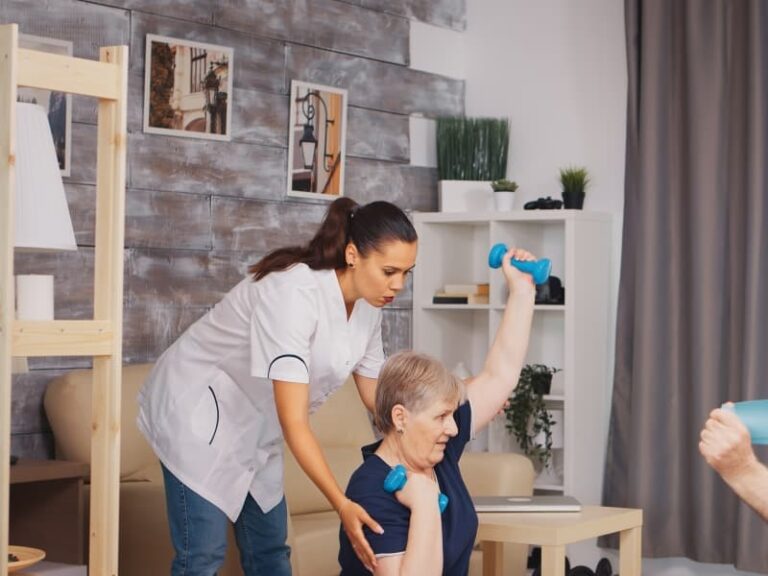
Exercise may slow the progression.
Deep brain stimulation has demonstrated a clinical benefit with patients with early motor complications.
As for all patients, education about self-management is critical, especially for young onset Parkinsons as many will live with the condition for many years.
Exercise
For people of any age with Parkinson’s, exercise is particularly important in optimising long-term function. Evidence shows than 2.5 hours of exercise per week keeps people fit and healthy.
The Parkinson’s Exercise Framework is used to help people with Parkinsons to choose the right exercise style to suit the individual and their symptoms.
As physiotherapists we can assess you and provide a comprehensive treatment plan for you to follow.
Should you require assessment please contact us on 01245 377118.